May Feature Story: Meet Shannon!
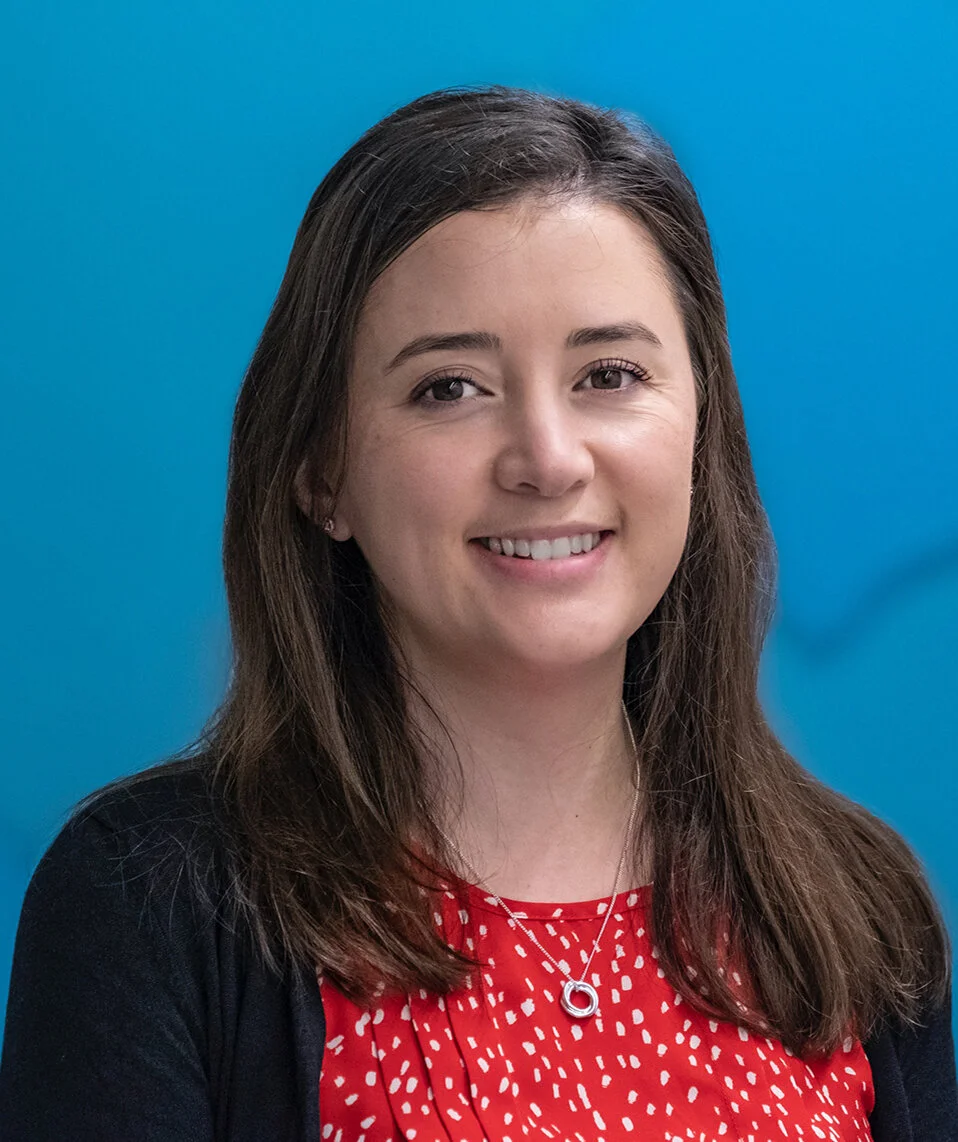
Meet Dr. Shannon Oda, immunologist at Seattle Children's Hospital, assistant professor at the University of Washington, and former mentor and board member with SPIN!
Shannon knows what early access to STEM can change for a young person with big dreams.
As a student, Shannon had the chance to spend her summers in research labs, exploring everything from entomology to marine biology. Those hands-on experiences helped shape her future. Today, Shannon leads her own lab at Seattle Children’s, where she is developing cell therapies for cancer patients, work she hopes will one day help save lives.
That journey is exactly why SPIN matters to her.
When Shannon first learned about SPIN in 2020, she was looking for a way to make a difference close to home. She wanted to help young people who have too often been excluded from STEM get the kind of early exposure that can open doors, build confidence, and change the trajectory of a life. She started as a mentor. Later, she joined the board. But at the heart of her connection to SPIN is something simple: she saw in these students the same potential that early opportunities helped unlock in her.
What has stayed with Shannon most is not just the brilliance of SPIN students, but their determination.
She remembers one student showing up to a virtual meeting while babysitting five younger siblings. Another navigated the bus system alone during the pandemic so she could make it to a park-based science experiment. Together, the group tested sunscreen formulas designed for diverse skin tones, an experiment that reflected both scientific curiosity and the real lived experiences of the students involved.
Those moments made a lasting impression. Because what Shannon saw was this: when young people are given access, they show up. They work hard. They stay curious. They make the most of every opportunity.
That is why Shannon believes SPIN is so important, especially for girls, gender-expansive youth, and BIPOC students. STEM education is not only about learning technical skills. It is about belonging. It is about having the space to explore, to ask questions, to try something difficult, to fail, and to try again. It is about seeing people who look like you in these fields and beginning to believe that you belong there, too.
And that is what donors make possible.
When you support SPIN, you are not just funding a single program or moment. You are helping create access to experiences that many students might not otherwise have: mentorship, hands-on projects, college visits, lab exposure, creative problem-solving, and real connections to STEM careers. You are helping open doors earlier, so students can begin to imagine futures they may not have been able to see before.
That support matters even more now, as funding for programs like these becomes more uncertain. Shannon knows that the need has not gone away. If anything, it has grown. The students are ready. The curiosity is already there. The drive is already there.
What they need is access.
SPIN helps meet that need with intention, creativity, and care. And with donor support, more young people can step into opportunities that help them see what is possible—and who they can become.
